Breast Fat Transfer
Breast Fat Transfer
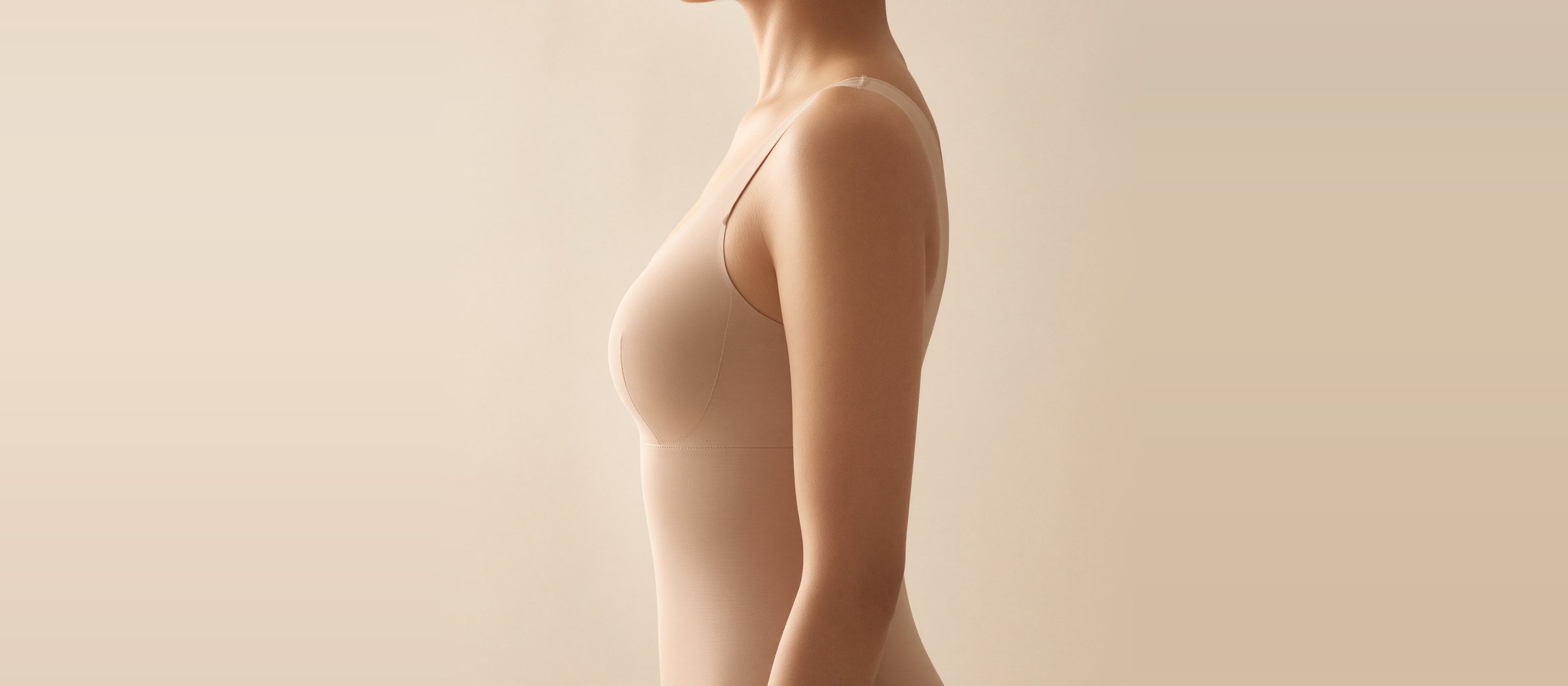
Surgery that uses your own fat to enlarge the breasts by about one to one and a half cup sizes, with a natural shape and feel.
LINE ONBreast Fat Transfer
If implants feel like too much and you’d like about one more cup size
The amount we add is calculated to fit the space in your breasts.
- Surgery time
- About 2 hours
- Anesthesia
- IV sedation
- Back to daily activities
- The next day
- Fat retention
- About 50% at 3 months
Do any of these sound familiar?
If any of these apply to you, please mention it first at your consultation.
LINE ONBreast Fat Transfer
Point 1. With your own fat
A feel close to natural breast tissue
Breasts are naturally made up of glandular tissue and fat. This surgery adds to that fat, so think of how your breasts looked when you weighed more.
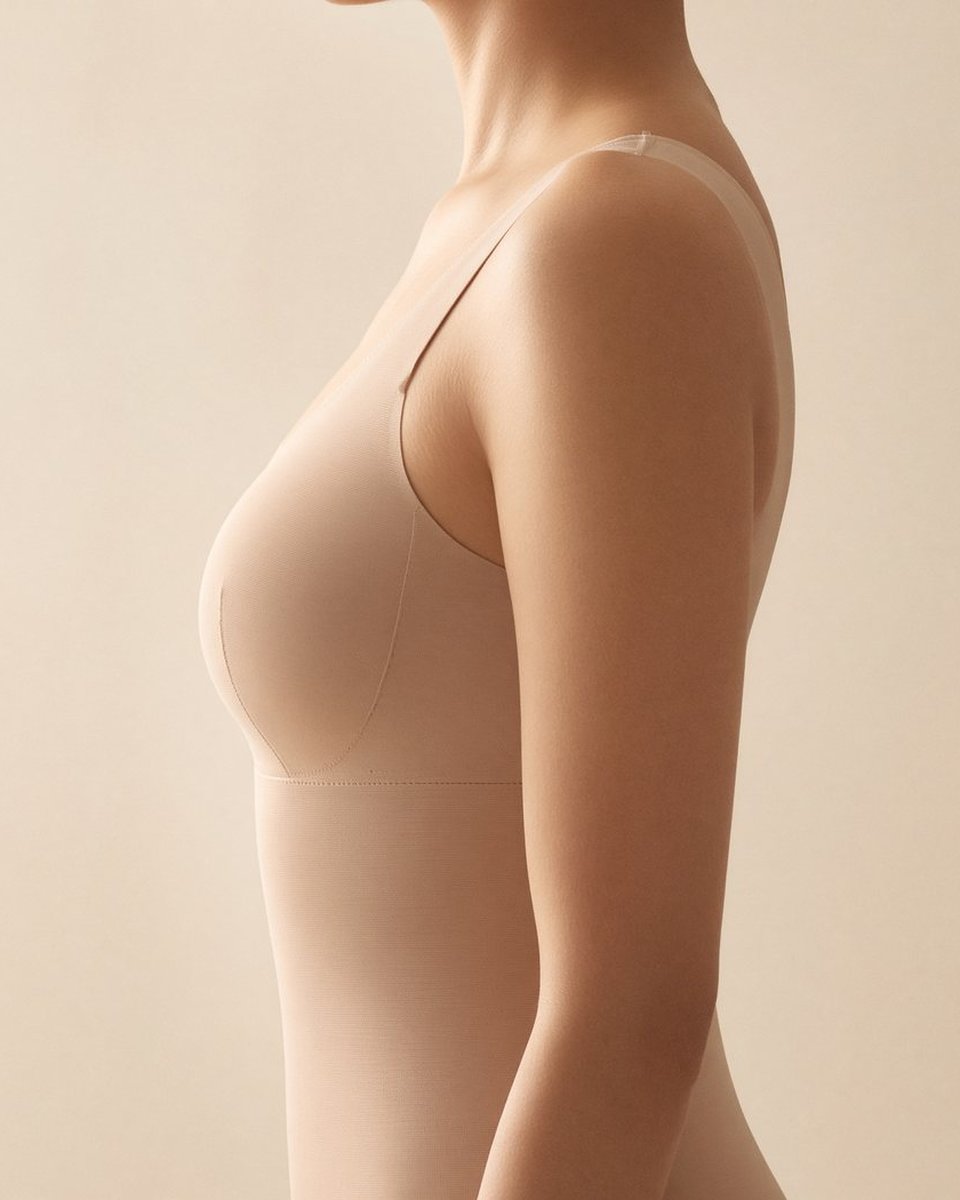 Now
Now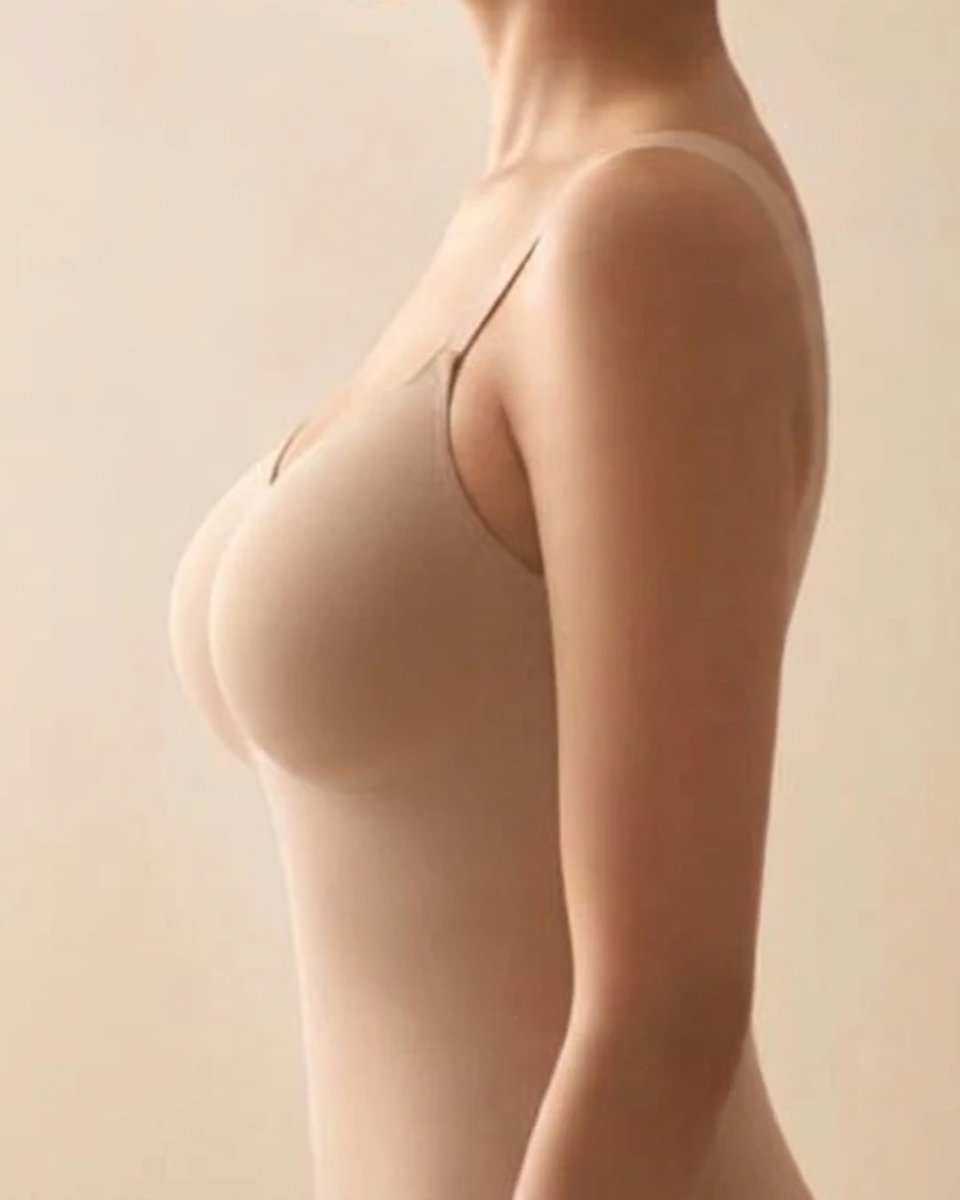 With about one cup more
LINE ONBreast Fat Transfer
Point 2. Only as much as needed
Adding more fat doesn’t mean all of it will take
We add filtered pure fat, only as much as the space in your breasts suits.
Medical note
Breast Fat Transfer in detail
From here, we explain how the surgery works, recovery and what to watch for in more detail. It’s written to the standards Dr. Oh uses when he sees patients.
A note from Dr. Oh
Body weight matters most for how much fat stays. At the very least, please try not to lose weight.Dr. Oh Hae Seok, Medical Director
This may suit you if…
You’d like to go up by about one to one and a half cup sizes, and you’d rather not have implants because of scarring or an unnatural shape or feel.
It may also suit you if, after implant surgery, the implant shows through thin skin or you have rippling; if you carry more weight in your lower body but are slim on top; if you’d like to keep the breast size you had before losing weight; or if you’d like larger breasts without others being able to tell you’ve had surgery.
This may not suit you if…
You’d like to go up by three or more cup sizes, you don’t have enough fat to harvest, you’ve had filler of unknown composition injected into your breasts in the past, or your breasts sag significantly.
Procedure, time & anesthesia
We take photos, then talk through the result you’d like while assessing your skin, the size of your breast (glandular) tissue and the thickness of the fat under your skin. This takes about 10 minutes.
The surgery is done under IV sedation. Harvesting and processing the fat takes about 1 hour, and transferring it to the breasts takes about another hour.
Pain, recovery & returning to daily activities
Most people feel very little pain in the breasts. The areas where fat was harvested may ache, like sore muscles, for 1–2 weeks.
You can return to daily activities the next day, but please avoid alcohol and smoking for at least a month. Transferred fat is sensitive to pressure, so for at least a month, please also avoid anything that presses on your breasts, such as tight clothing or sleeping on your stomach.
Results, how long they last & repeat treatment
Right after surgery, your breasts look about two cup sizes larger because of swelling and the amount of fat added. Most of the swelling goes down in the first 2 weeks. Over the next 2 weeks, fat that didn’t take is absorbed and the size gradually decreases. Over the first month, the volume decreases by about 30–40%. At 3 months, about 50% of the transferred fat usually remains.
Body weight matters most for how much fat stays. Please keep your weight where it was at the time of surgery, and try not to lose weight. Published studies show that when weight stays stable, the fat that has taken also stays.
If you’d like a second procedure, we recommend waiting at least 3–6 months.
A common misconception
Many people worry about calcification or oil cysts. These are indeed the typical complications of fat transfer, and the risk goes up when too much fat is added. But not every fat transfer leads to oil cysts or calcification, especially when an appropriate amount is added within a range that doesn’t raise the risk.
Published studies report a rate of about 5%, but that figure includes small findings seen only on ultrasound, so cases that actually cause problems are rarer. Dr. Oh doesn’t simply add as much as possible. He calculates the amount needed based on how much space the breast has. In his experience, these complications have occurred in about 2 in 1,000 patients.
Many people also ask whether fat transfer can lift sagging breasts. If the breasts themselves sag a lot, fat transfer alone can’t lift them much, so we suggest considering a breast lift as well. If the sagging is mild and the breasts have simply lost volume with weight loss, fat transfer can improve the shape.
When people ask whether others will be able to tell, our answer is that it’s hard to tell. A breast is made up of breast tissue and fat, and fat transfer adds to the fat, so it feels the same as a natural breast. The incision is made in the armpit, around the areola or in the fold under the breast. It is very small, so the scar is hard to see once it heals.
Anesthesia & fees
- Fees
- Discussed after an examination
Results and recovery vary from person to person. Whether a treatment suits you is decided after Dr. Oh examines you in person.
Breast Fat Transfer: questions answered by Dr. Oh
Where do you take the fat from?
Breast fat transfer needs about 400–500 mL of pure fat after processing. It’s usually taken from the thighs, abdomen and love handles.
Breast implants or fat transfer: which is right for me?
If you want to go up three or more cup sizes at once, implants are the right choice. If you want a change of about one to one and a half cup sizes, fat transfer can achieve that.
How much of the transferred fat stays after breast fat transfer?
Published studies put the fat retention rate at about 50%. It can drop to about 30% if you lose weight, and it can rise to as much as 70% if you gain weight.
We are a 3-minute walk from Gangnam Station Exit 11, and the medical director examines every patient in person.