01
Decided as part of your liposuction plan
Which areas get Renuvion is decided when we plan your liposuction. Where the skin is firm, liposuction alone may be enough.
Renuvion · Body
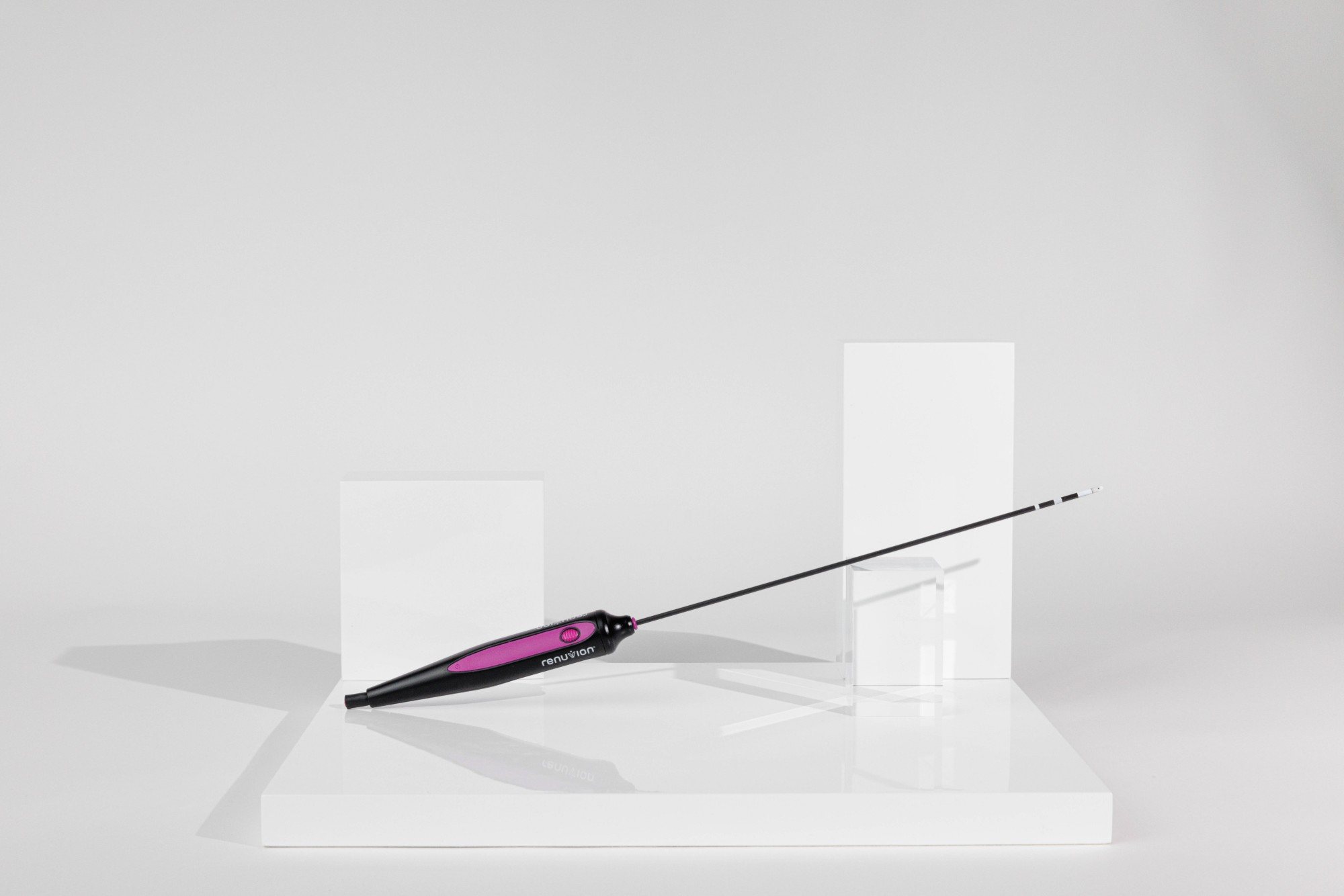
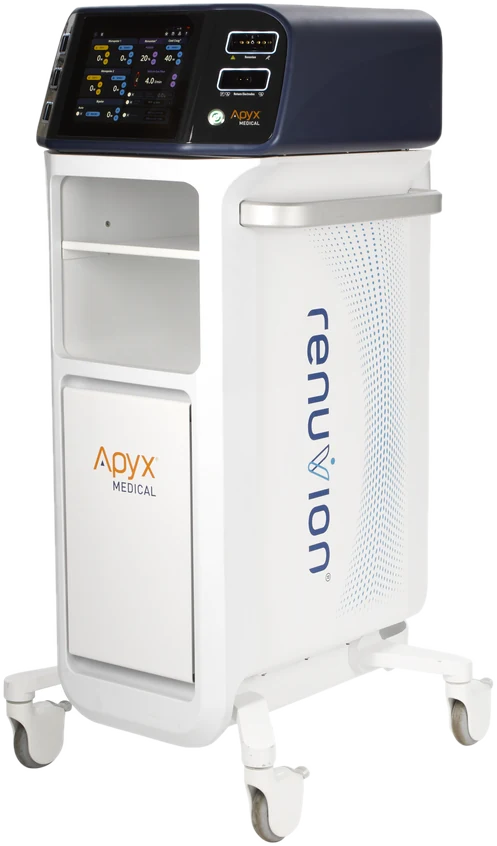
After liposuction, it helps skin in areas that tend to loosen, such as the upper arms, abdomen and inner thighs, shrink back.
LINE ONBody Renuvion
Where a lot of fat is removed or the skin is thin, the skin may not shrink back enough. In areas like these, we use Renuvion alongside liposuction.
If any of these apply to you, please mention it first at your consultation.
LINE ONBody Renuvion
Point 1. When the skin can’t keep up
Skin naturally has some ability to shrink. But if a lot of fat comes out at once or the skin is thin, that may not be enough. This is often the case on the undersides of the upper arms, around the navel and on the inner thighs. Renuvion shrinks the fibrous tissue under the skin to help the skin reattach to the tissue beneath.
LINE ONBody Renuvion
Point 2. Same entry points
After liposuction, the handpiece goes in through the same entry points. No new incisions are made, and it takes about 15 minutes longer per area.
LINE ONBody Renuvion
How it works
We check fat thickness with ultrasound, and how loose the skin is by hand.
We remove fat layer by layer, the LINE ON way.
Through the same entry points, we treat the areas that tend to sag.
You wear a compression garment, and we check your progress at 1, 2 and 3 months.
Medical note
Body Renuvion in detail
From here, we explain how the surgery works, recovery and what to watch for in more detail. It’s written to the standards Dr. Oh uses when he sees patients.
01
Which areas get Renuvion is decided when we plan your liposuction. Where the skin is firm, liposuction alone may be enough.
02
In Lower Body LINE ON, which refines the thighs, buttocks and love handles in one surgery, it can also be used in areas that tend to sag, such as the inner thighs.
When we don’t recommend it
Results and recovery vary from person to person. Whether a treatment suits you is decided after Dr. Oh examines you in person.
No. If your skin is firm and not much fat is being removed, liposuction alone is often enough. We recommend it only for areas that tend to sag.
It depends on how loose the skin is. If there’s enough excess skin to fold and hang when you raise your arm, surgery with incisions may suit you better, so we check this at your examination first.
We are a 30-second walk from Gangnam Station Exit 3, and the medical director examines every patient in person.