
Journal
Articles by Dr. Oh
Dr. Oh’s longer answers to questions that are hard to cover fully in a short consultation.
11 articles
Does nose filler spread? Do nose threads poke through?
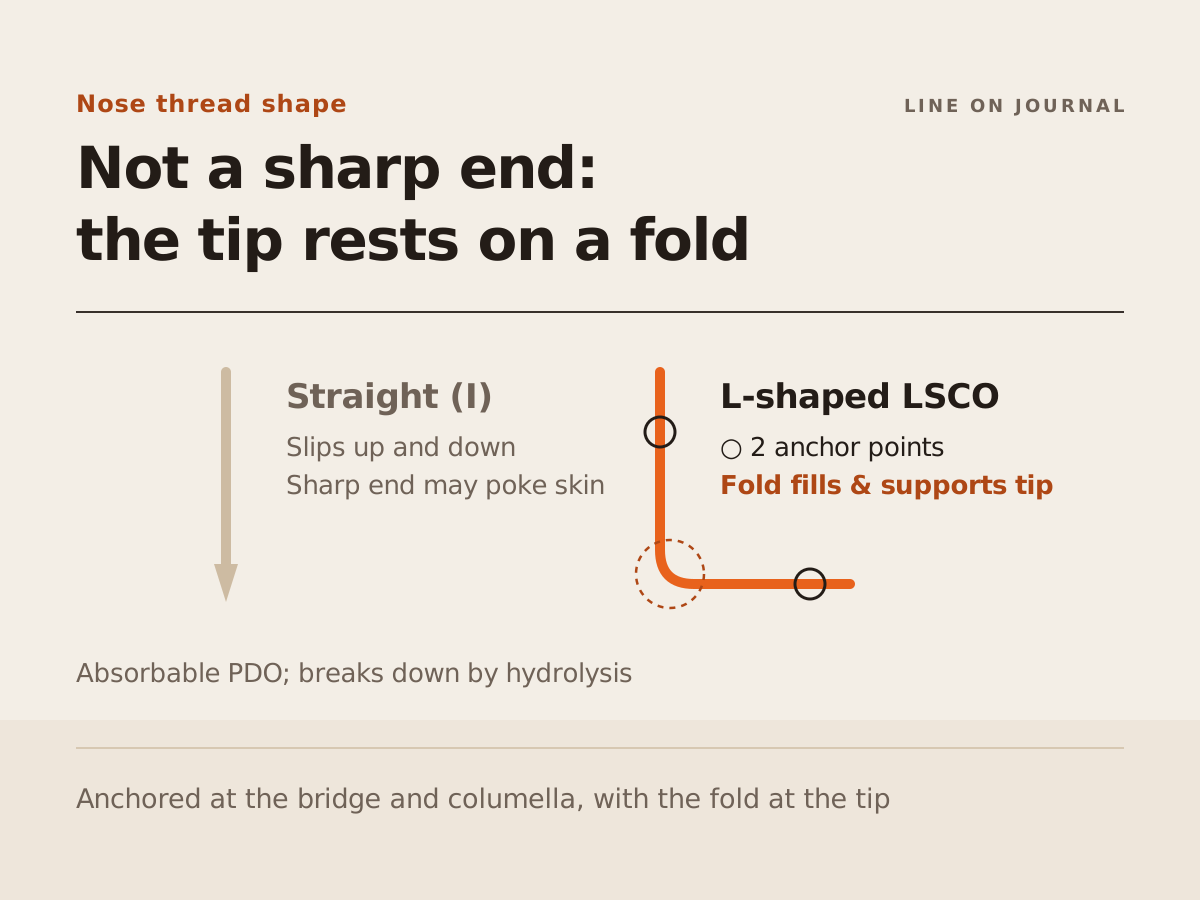
Nose filler can spread and nose threads can push through the skin, but only under certain conditions. Filler spreads when more is used than the nose needs, and a straight thread with a sharp end can push through the skin. That’s why I build the structure with an L-shaped thread and create the shape with the smallest amount of filler needed.
Compression garments, swelling and bruising: what liposuction recovery really looks like
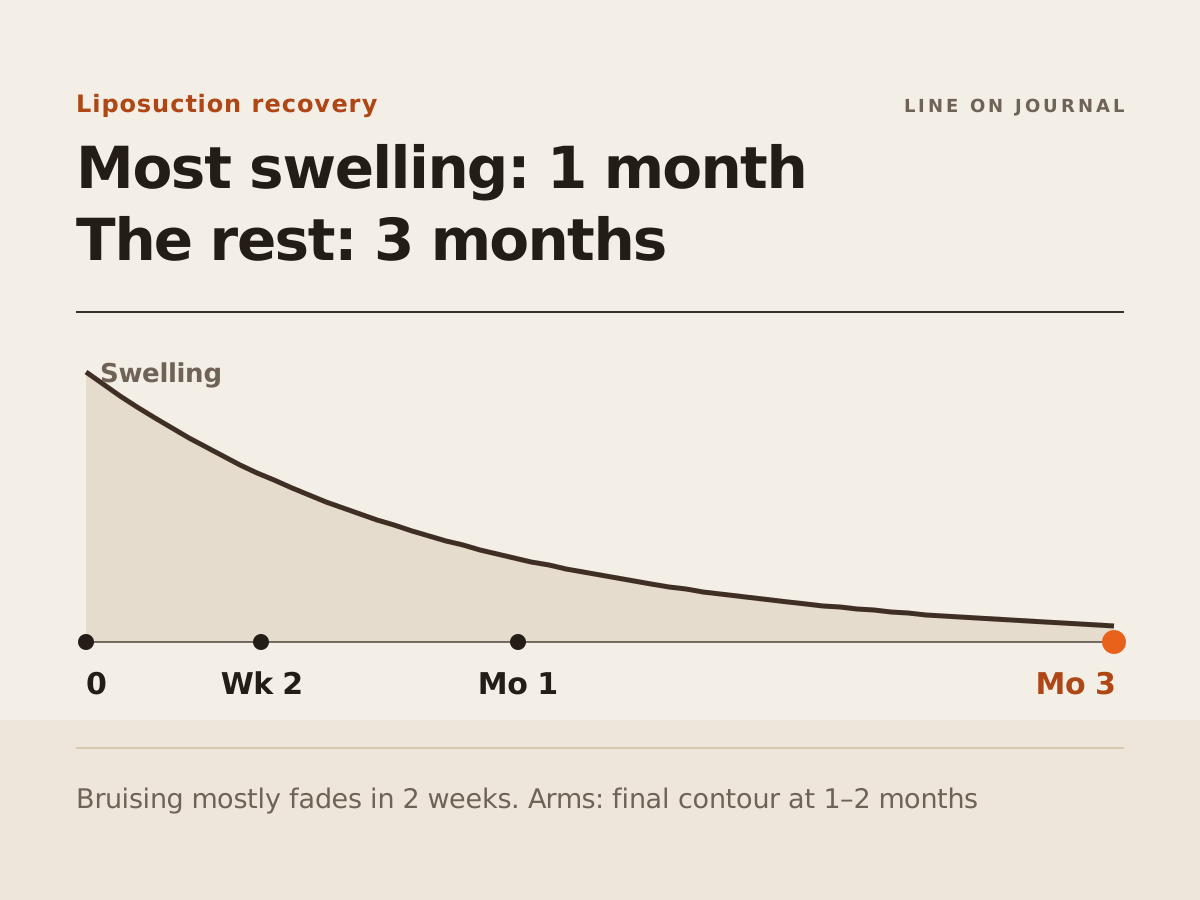
After liposuction, most of the swelling generally goes down in about 1 month and the rest in about 3 months. Bruising mostly fades within 2 weeks, and for the arms, the final contour often shows at 1–2 months.
Understanding fat retention after breast fat transfer
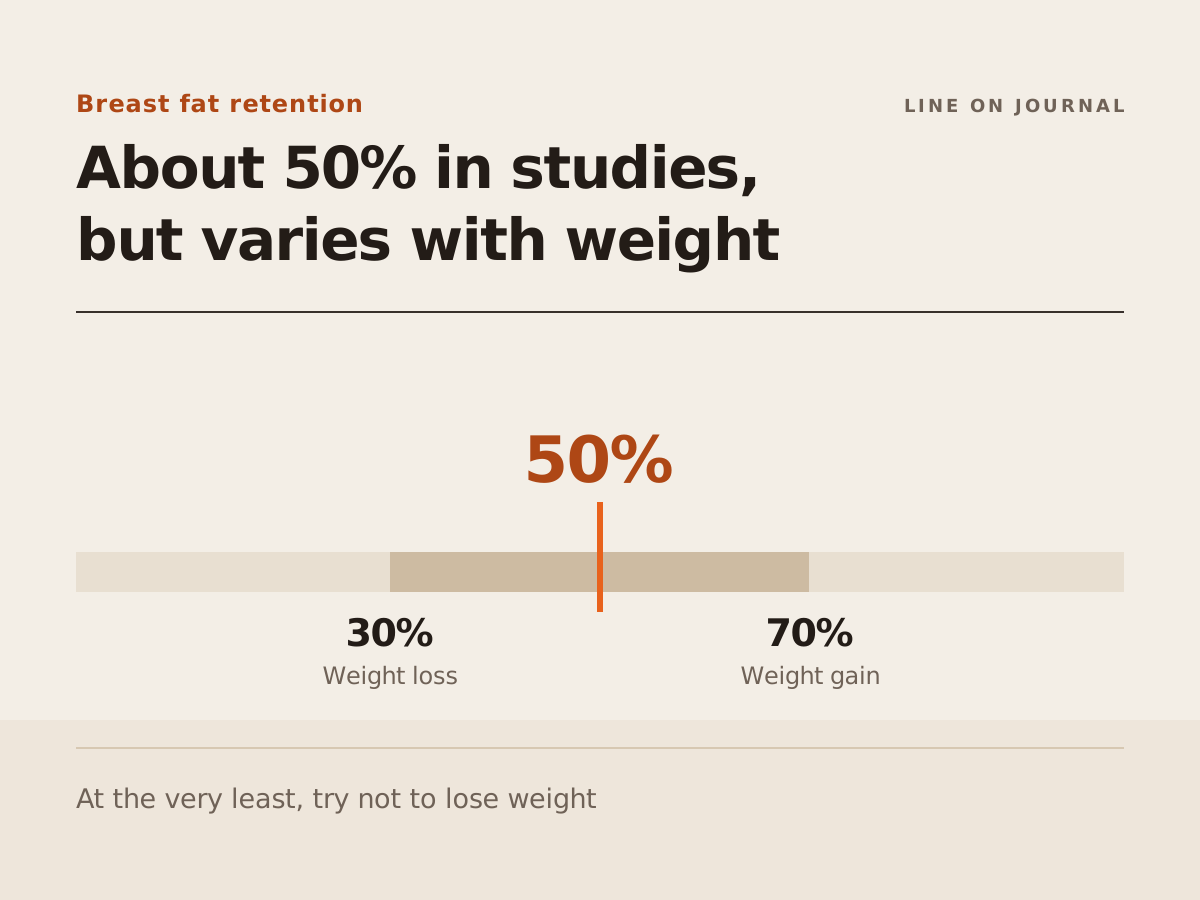
After breast fat transfer, published studies put the fat retention rate, meaning how much of the transferred fat stays, at about 50%. It can drop to about 30% if you lose weight and rise to as much as 70% if you gain weight, so at the very least, try not to lose weight.
Why I use threads and filler together: rebar and concrete
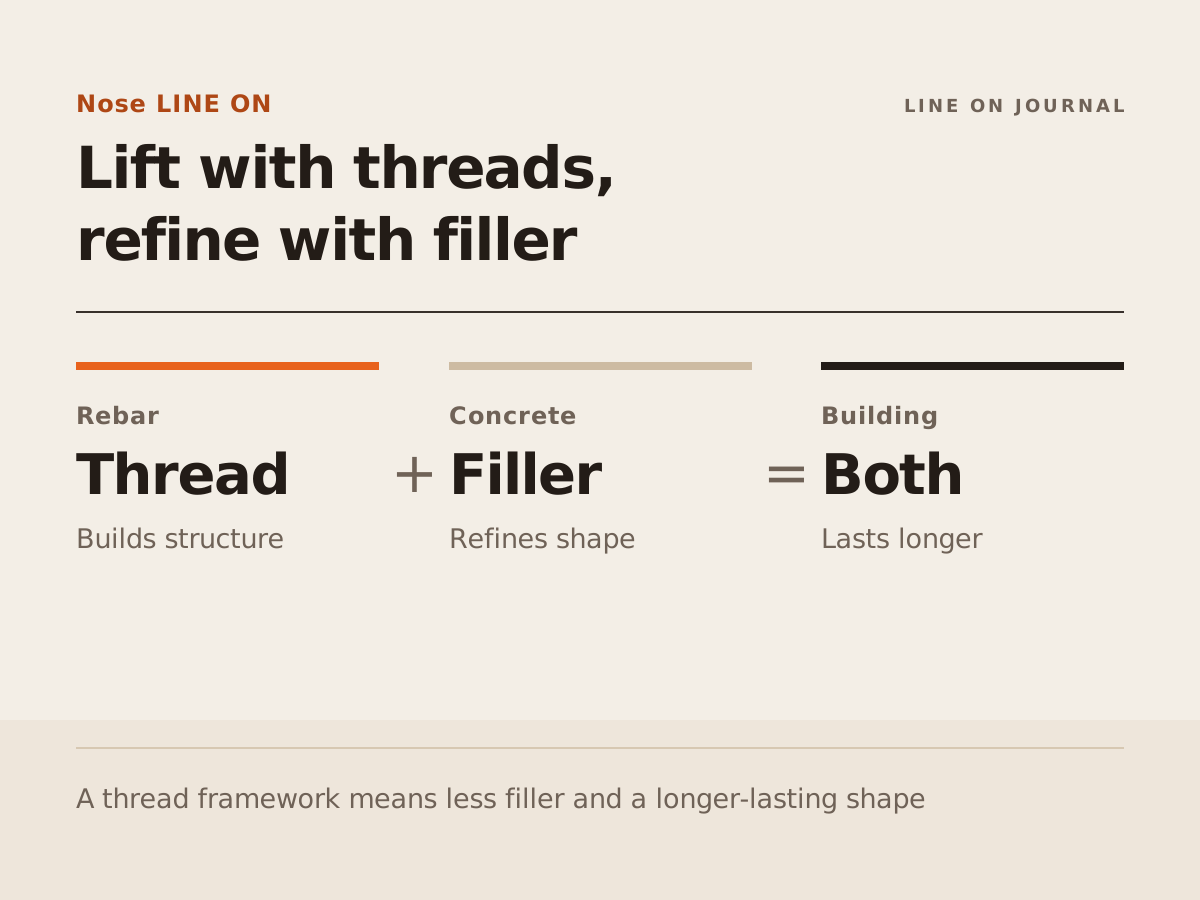
A thread behaves more like a solid, while filler tends to flow. In the nose, threads are better for raising the tip, and filler is better for creating fine detail in the shape. It’s like using steel rebar and concrete together to put up a building.
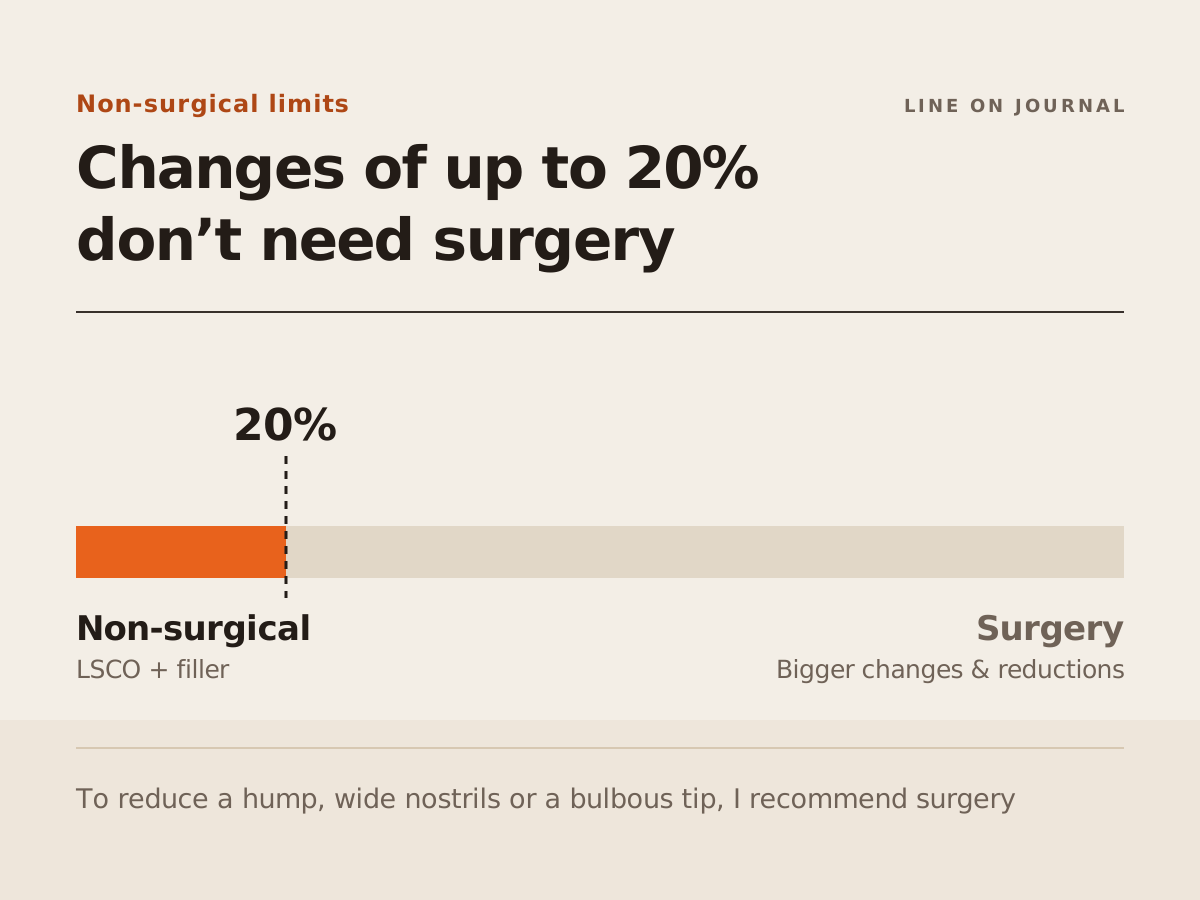
Do nose threads dissolve? Can I still have nose surgery later?
Having nose threads doesn’t rule out nose surgery later. But if you’re already leaning toward surgery, I recommend going straight to surgery rather than having a non-surgical treatment first.
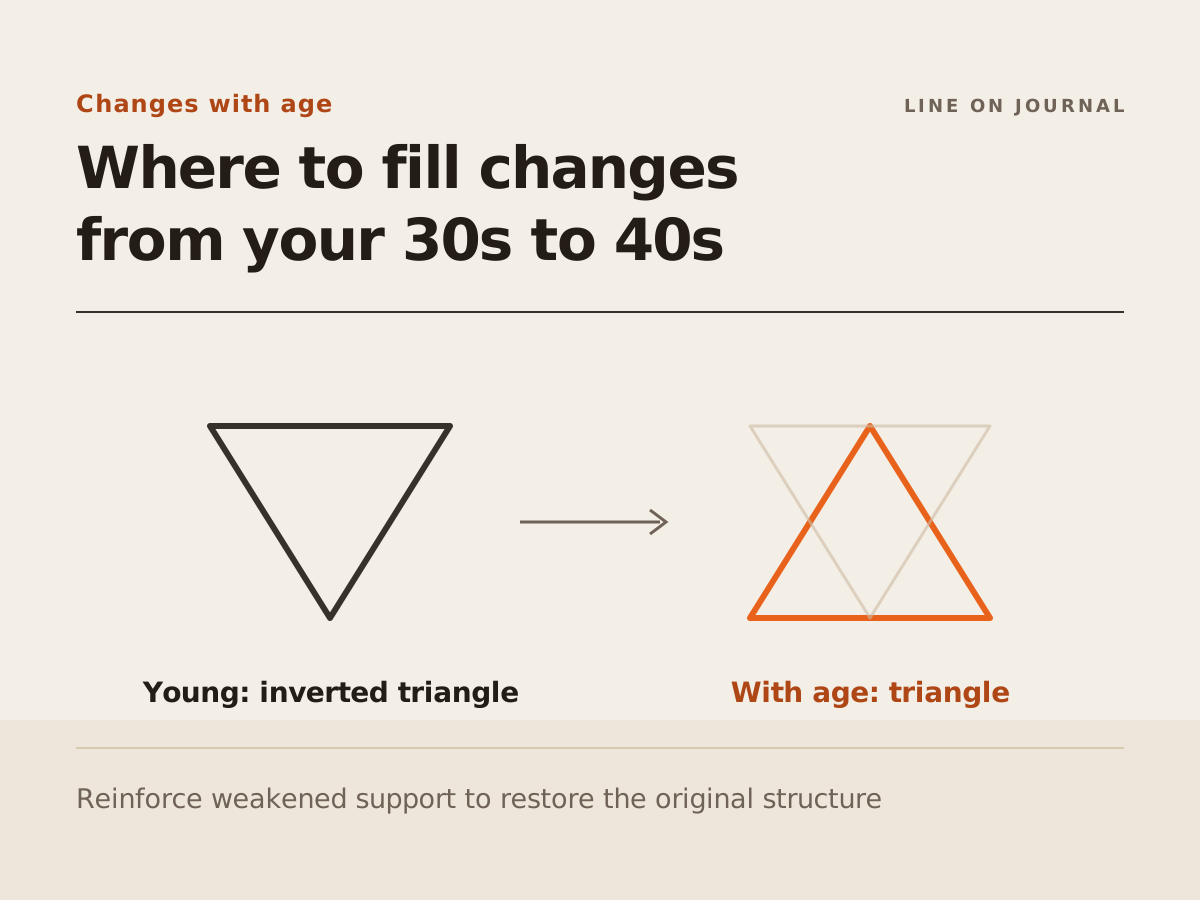
Why filler goes in different places in your 30s and your 40s
With age, the face changes from an inverted triangle, fuller at the cheeks and narrower at the jaw, to a triangle. So I decide where to place filler not by where the face looks hollow, but by where its structural support has weakened.
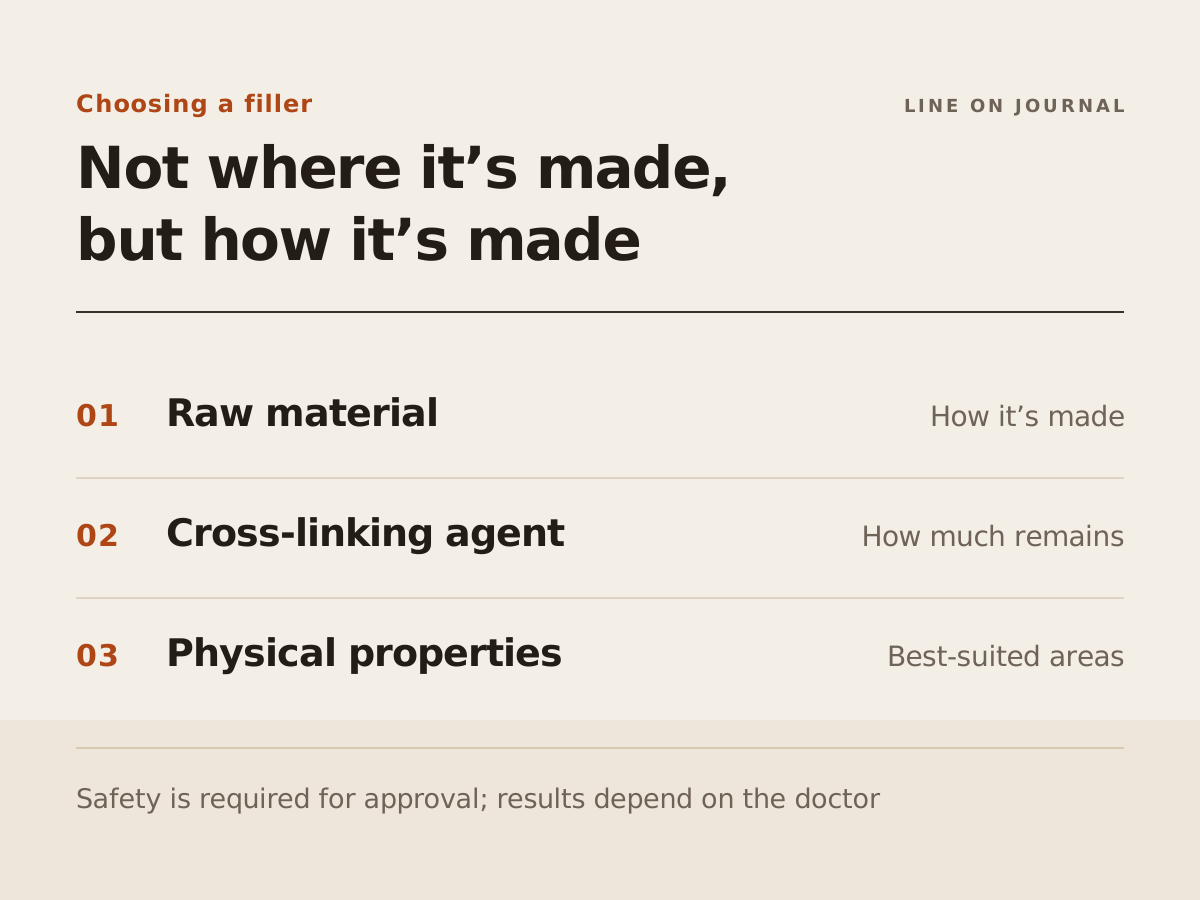
Korean-made vs. imported fillers: what’s the difference?
What matters is less whether a filler is Korean-made or imported than who makes it. Each company has its own standards for raw materials, how the cross-linking agent is treated and the filler’s physical properties. That said, any filler approved for use in people has to meet safety requirements.
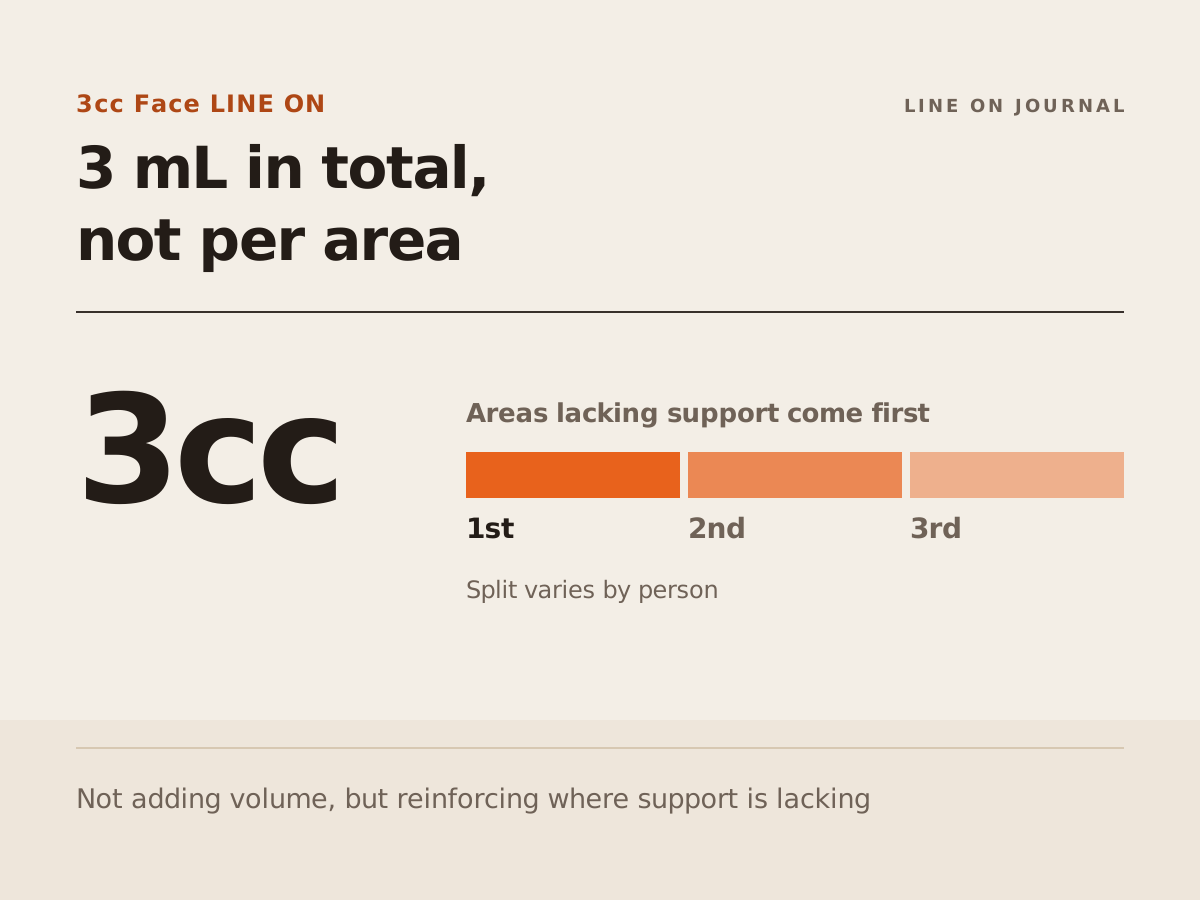
Is 3 mL of filler really enough?
If the goal is to reinforce areas where the face lacks structural support, rather than to add volume, 3 mL of filler is enough for most people.
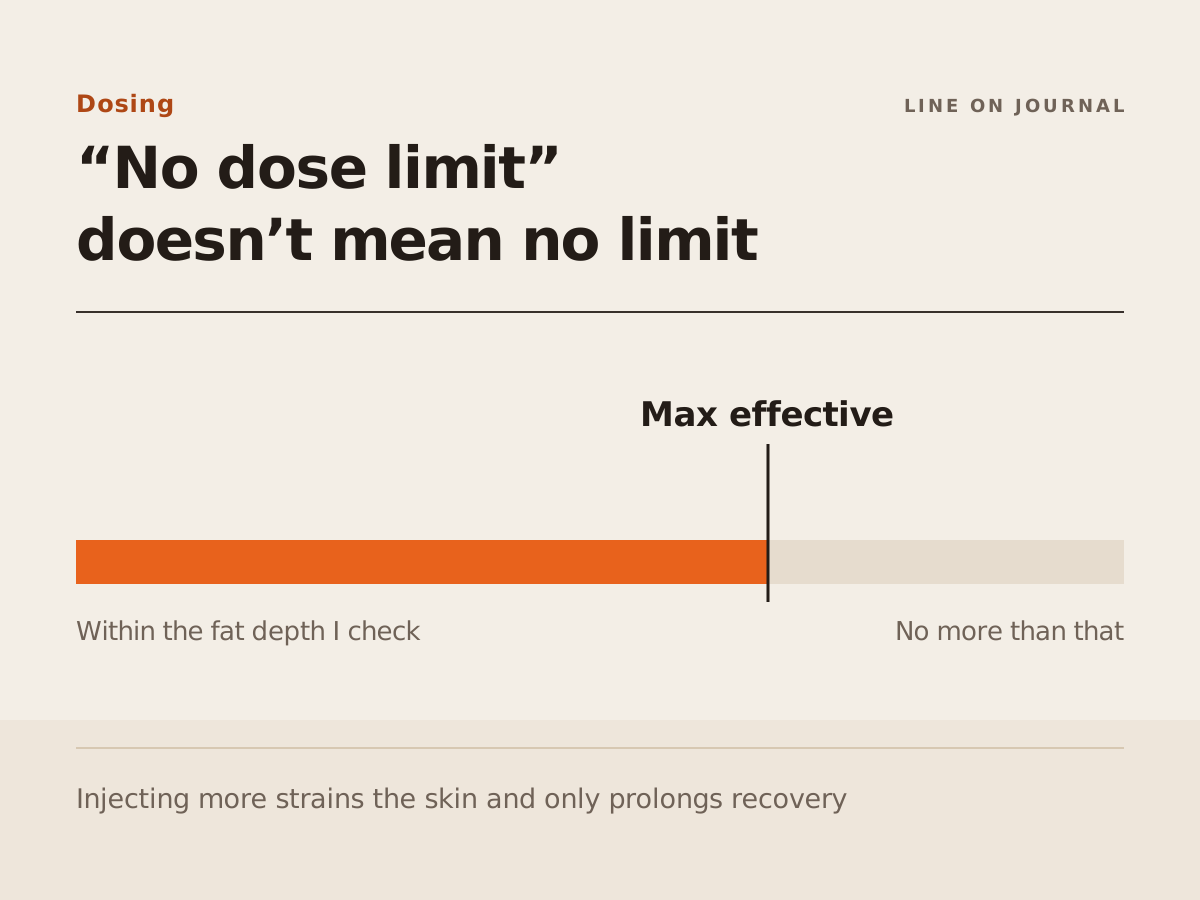
“No dose limit” doesn’t mean no limit
With LINE ON Injection, the dose isn’t limited by body weight. In practice, though, I inject only up to the maximum that can be effective for the thickness of the fat under your skin, which I check by examining you. Injecting more doesn’t make the result proportionally better.
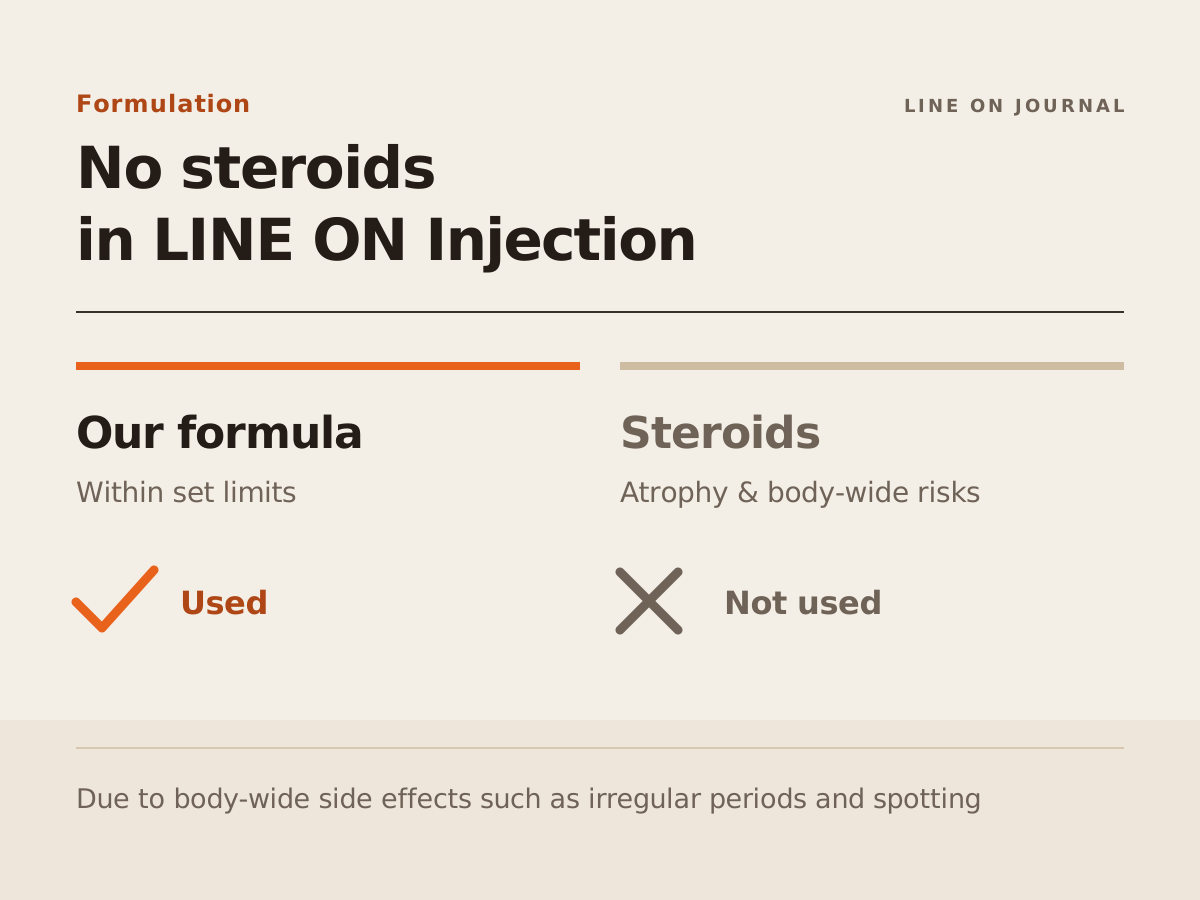
Why I don’t put steroids in fat-reducing injections
I don’t put steroids in LINE ON Injection. Because steroids shrink tissue, they can look effective in the short term, but they can cause side effects throughout the body, including irregular periods and bleeding between periods.
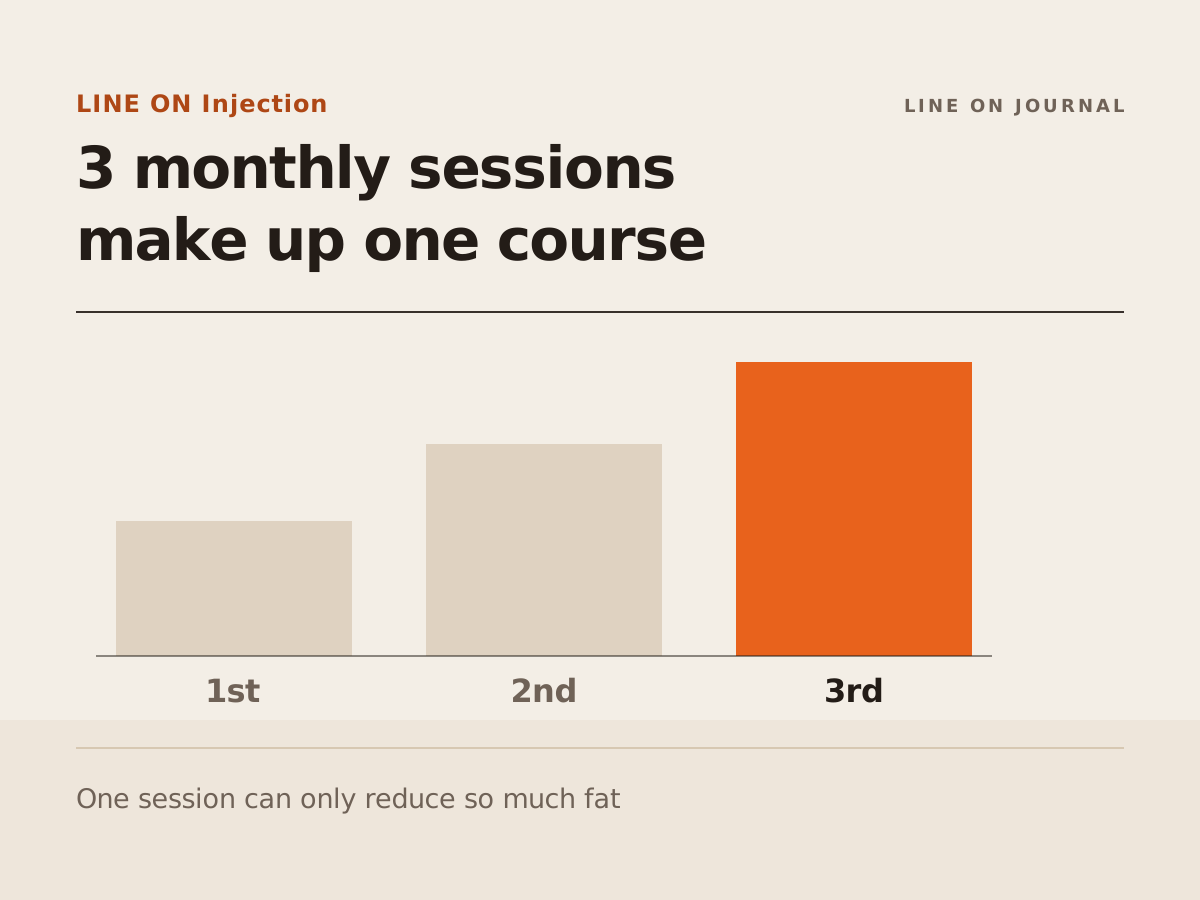
Fat-reducing injections: will one session keep the fat off for good?
One session of fat-reducing injections isn’t the end of it. There’s a limit to how many fat cells a single session can destroy, so the change you can get from one session is, at most, a more refined contour.


